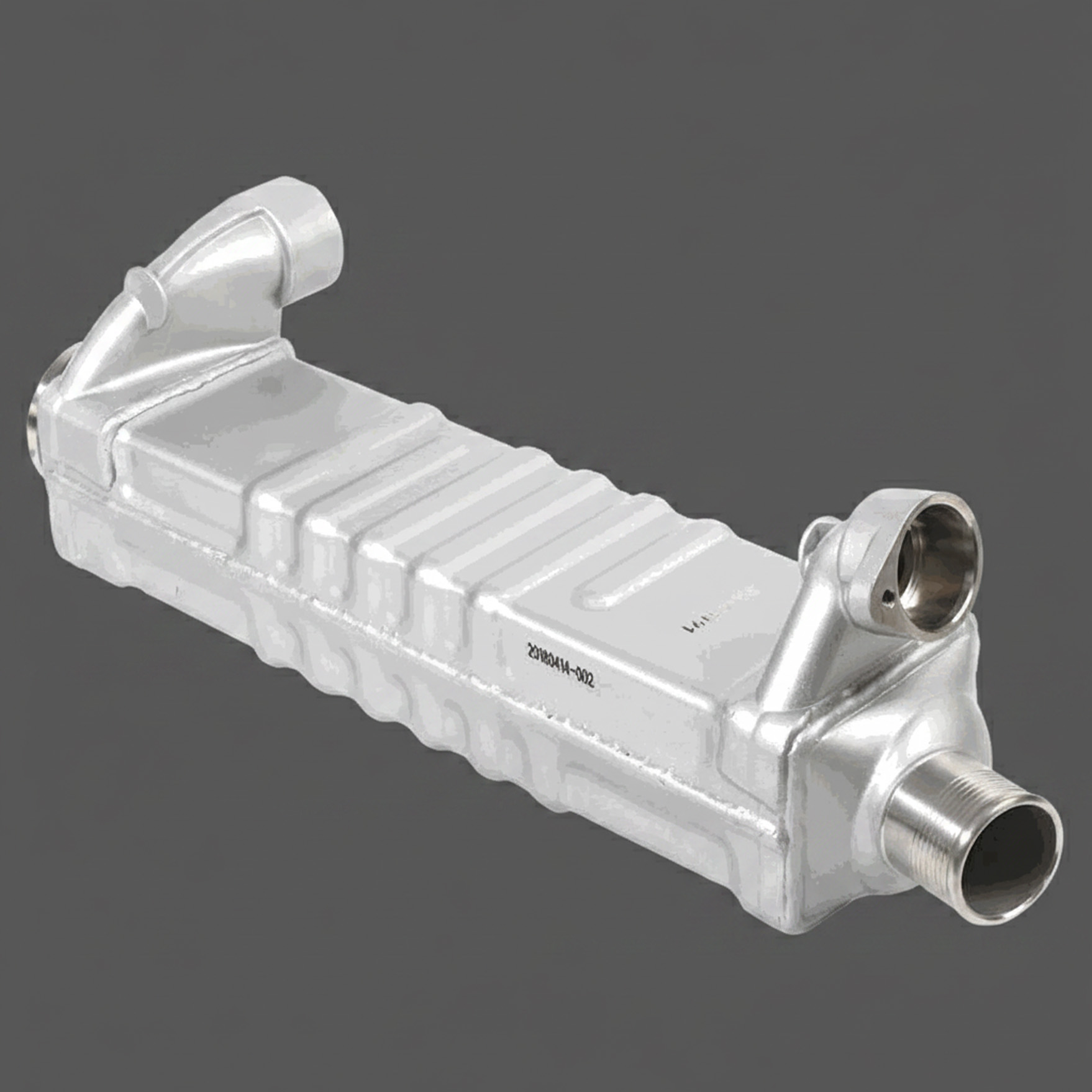
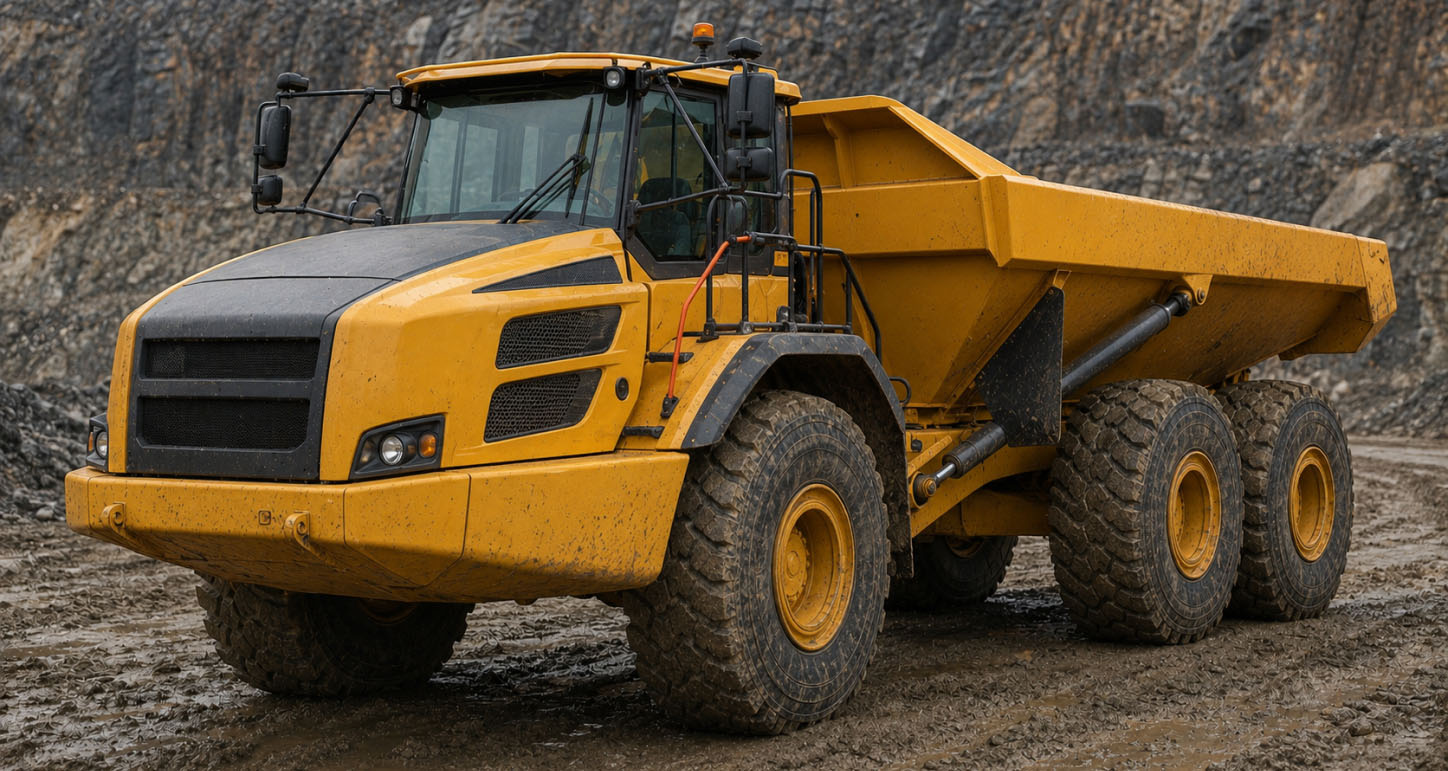
Volvo’s D13 and D16 diesel engines have an exhaust gas recirculation (EGR) system. It is one of the emission control systems and is very important. It lowers combustion temperature and reduces NOx emissions by routing part of the exhaust gases back into the intake manifold. Such development makes the Environmental and Sustainability performance of Volvo equipment meet the EPA and Euro standards. However, due to constant exposure to exhaust gases, EGR components are prone to contamination, carbon buildup, and wear. As a result, they can trigger error codes, increase fuel consumption, and reduce engine power.
In this article, we’ll look at how EGR diagnostics are performed, what repairs include for the valve and cooler, and when EGR cleaning is required on Volvo D13/D16 engines.
Why the EGR System Fails
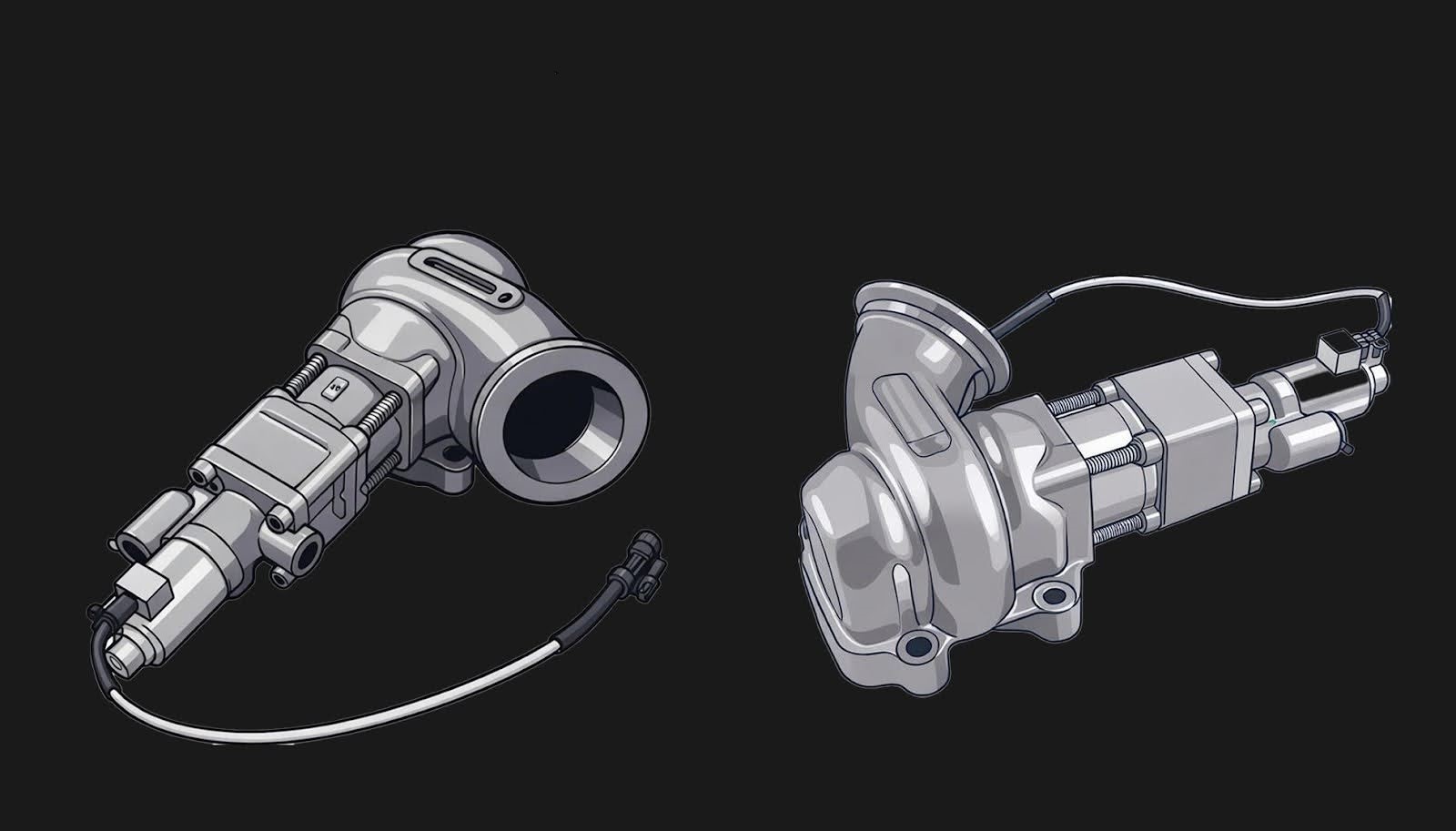
On Volvo D13/D16 engines, the most common issues include:
heavy carbon buildup on the EGR valve and throttle flaps
coolant leaks from the EGR cooler
cracks in the cooler housing
sticking bypass flaps
faulty EGR pressure/temperature sensors
malfunction of the EGR mixer pipe
If early symptoms are ignored, the system can negatively affect the turbocharger, DPF, SCR, and the entire intake system.
Symptoms of EGR Failure on Volvo D13/D16
Owners of Volvo trucks and construction equipment most often encounter:
loss of power and slow acceleration
increased fuel consumption
EGR Flow Low, EGR Flow High, P0401/P0402/P2457 codes
Check Engine light
elevated exhaust temperature
engine overheating
unstable idle
white or bluish smoke
frequent DPF regenerations
If even 1–2 symptoms appear, a full diagnostic is required.
EGR Diagnostics on Volvo D13 and D16
The diagnostic procedure includes several stages:
1. Computer Diagnostics
Volvo Tech Tool and Mochester App (M4 App) is some of the specialized software technicians use to check:
2. EGR Valve Inspection
This includes:
visual inspection of the housing
valve activation test
checking actuator movement
testing for sticking and leaks
As for the Volvo D13, there is a pretty common occurrence where the valve ends up getting stuck due to carbon accumulation.
3. EGR Cooler Diagnostics
The most frequent issues include:
coolant leaking into the exhaust tract
cracks in the cooler housing
reduced cooling efficiency due to buildup
Technicians check for coolant traces, pressure, and temperature differences before/after the cooler.
4. Inspection of Pipes and Flaps
It’s important to ensure there is no soot blockage, cracks, leaks, or compromised sealing.
EGR Cleaning on Volvo D13/D16: When It’s Needed
In most cases, the issue can be resolved without replacing costly components—proper cleaning is enough.
Cleaning includes:
disassembling the EGR valve and cooler
mechanical removal of carbon and soot
flushing internal passages with specialized chemical solutions
cleaning bypass pipes
checking and cleaning pressure and temperature sensors
cleaning the EGR mixing channel
After proper cleaning, engine parameters return to normal, fuel consumption decreases, and power is restored.
EGR Maintenance on Volvo Engines
Maintenance for the Volvo D16 EGR system includes:
Removing the valve and cooler
Using a specialized cleaner (Wynn’s EGR Cleaner)
Ultrasonic or manual cleaning
For Volvo D13:
Procedure | Interval | Tools |
Valve cleaning | 150,000 km | Cleaner, brush |
Cooler replacement | 500,000 km | Wrenches, scanner |
Sensor inspection | Annually | Multimeter |
If the valve cannot be cleaned:
It’s important to perform valve calibration and adaptation after installation.
EGR Repair on Volvo D13/D16
Volvo D13 EGR Repair:
Removal: disconnect connectors, remove fasteners
Replace the valve (OEM: 21900918)
Install and clear codes using a scanner
On Volvo D16, repairs are more complex due to the size of the assembly—lifting equipment is usually required.
EGR Cooler Repair
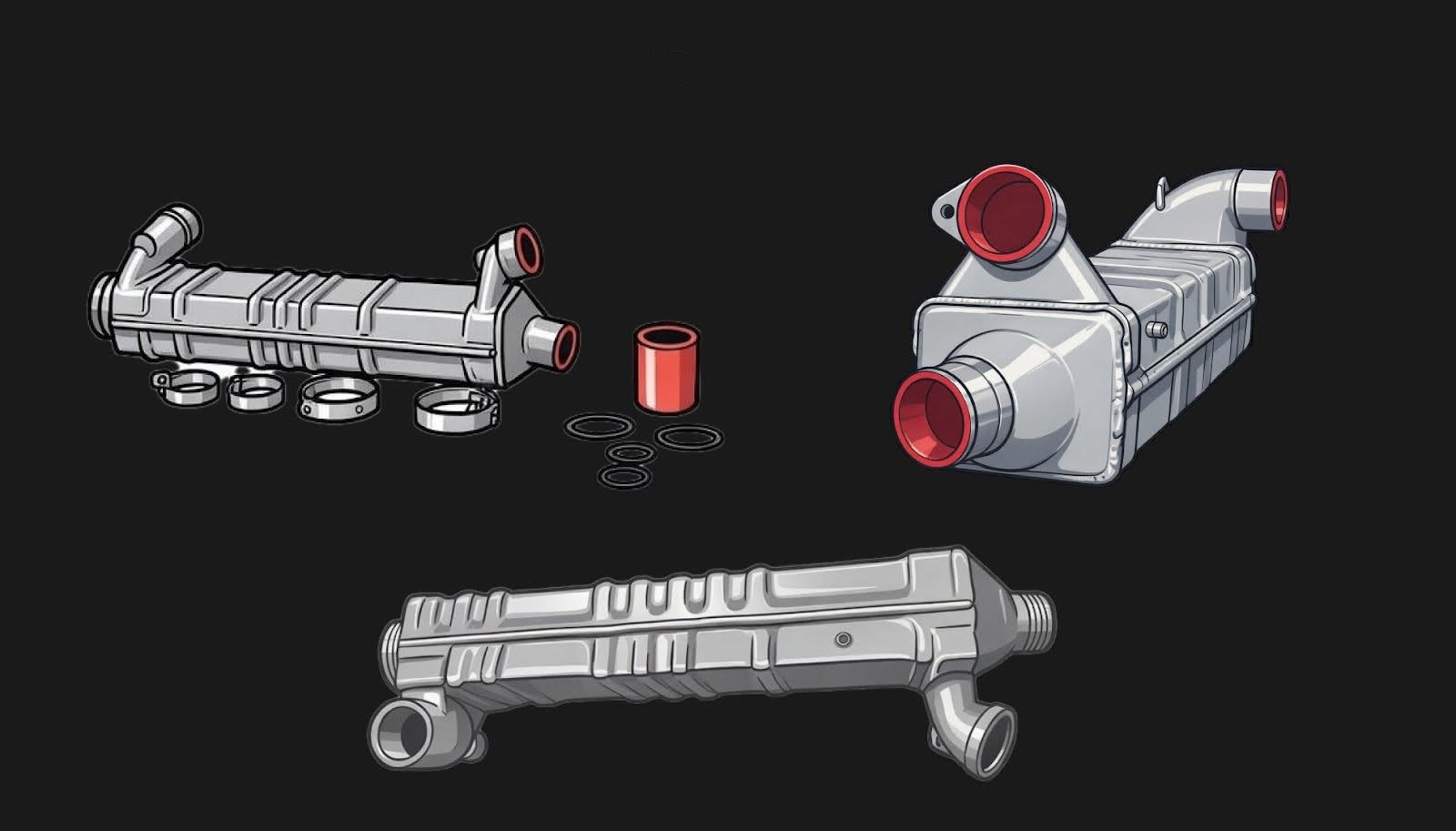
There are 2 possibilities for the Volvo D13/D16 coolers:
1. Cooler Repair
Includes:
2. Cooler Replacement
Required when:
Prevention and Recommendations
To keep the EGR system operating reliably:
use high-quality diesel fuel
replace oil and filters regularly
perform diagnostic cleaning every 150,000 km
monitor engine temperature and cooling system condition
check EGR pressure and temperature sensors
For Volvo equipment, this greatly extends the service life of the EGR, DPF, SCR, and turbocharger.
Conclusion
Both the Volvo D13 and D16 engines EGR system are sophisticated systems and they require detailed diagnostics and upkeep on a regular basis. Timely cleaning, valve inspection, and cooler checks help avoid expensive repairs and extend engine life. If you notice error codes, unstable operation, or increased fuel consumption—don’t delay EGR diagnostics.