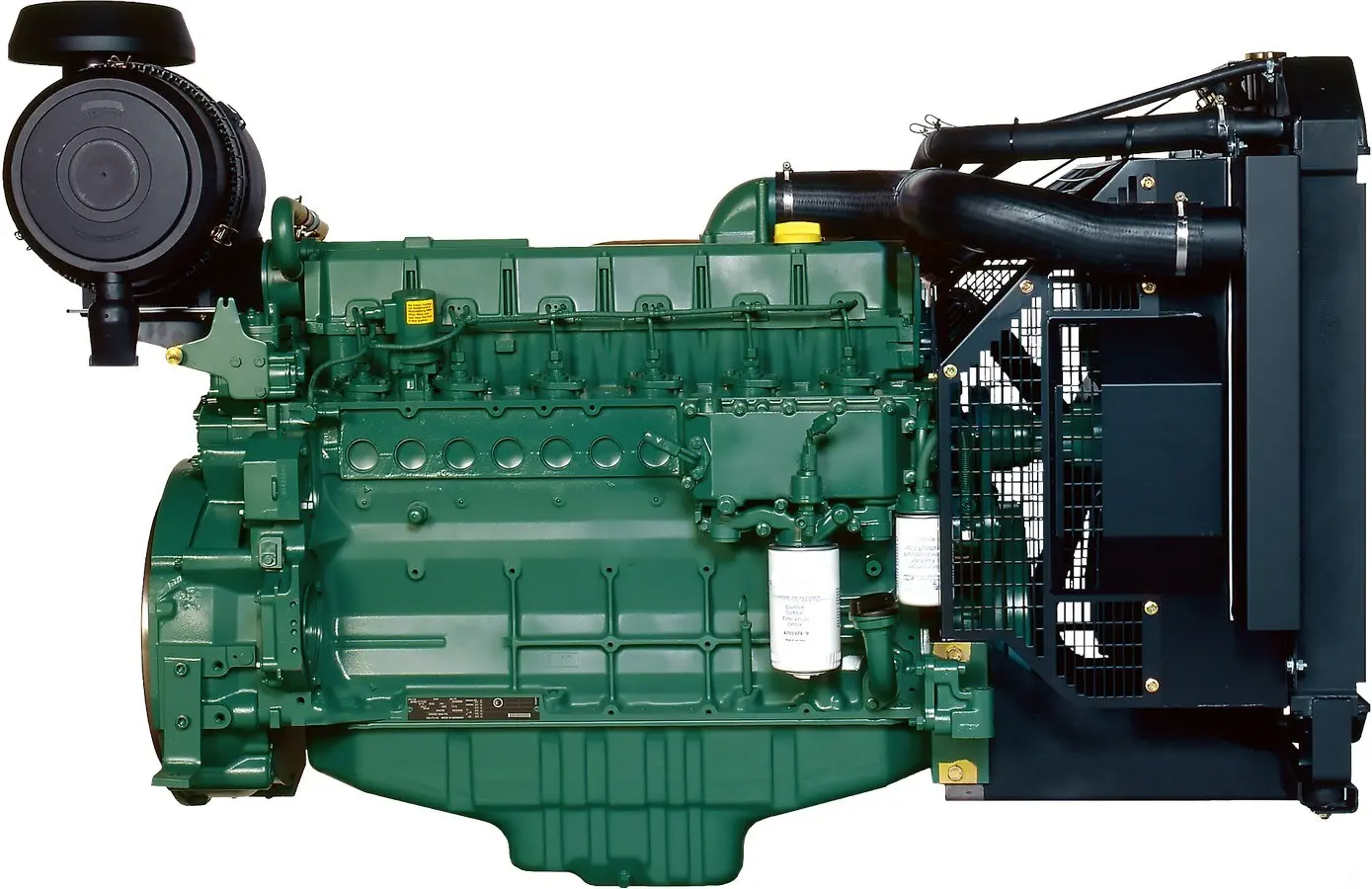
For more than a decade, the centerpiece of Volvo’s engineering has been the D13 engine, a 12.8 liter inline six diesel. Without a doubt, this is the most popular and flexible engine that Volvo offers. It’s widely used in highway trucks, construction vehicles, and even some touring coaches thanks to its fuel efficiency, durability, and strong performance. Just like several modern diesels, the D13 has a Diesel Particulate Filter (DPF), which aids further in the emission reduction procedure.
While beneficial for the environment, the DPF often becomes a source of extra costs and downtime. Because of this, so many Volvo D13 truck owners are opting for a DPF delete in the name of efficiency and better performance.
How the DPF Affects the Volvo D13 Engine
The DPF traps soot and requires regular regeneration — a process where high exhaust temperatures burn off accumulated particles. In real-world conditions, especially with short-haul routes, heavy loads, or extreme weather, regenerations often fail to complete properly. This can lead to:
As a result, the company will have a D13 engine that under performs in addition to the incurred downtime and maintenance expenses which will quickly accelerate.
Removing the DPF eliminates the main restriction in the exhaust system. Once the filter is removed and the ECU (Engine Control Unit) is reprogrammed, the D13 engine runs without constant limitations. The benefits include:
More power and torque – the engine breathes easier, which is especially valuable on steep grades or when hauling heavy loads.
Better fuel economy – no wasted fuel during regenerations and improved exhaust flow.
Reduced downtime – no more forced regens or limp mode interruptions.
Lower maintenance costs – no need for expensive DPF replacements or sensor repairs.
Extended engine life – smoother operation reduces strain on the motor and turbocharger.

How the DPF Delete Process Works
DPF Delete on Volvo trucks with the D13 engine has two stages:
Mechanical stage
Software stage
Reprogramming the ECU with specialized software such as Mochester 4 App (M4).
Disabling all DPF-related sensors and functions.
To make sure there aren’t any fault codes or limp issues, the system will be tested.
⚠️ The only people who should conduct this analysis are experienced professionals. Wrong ECU tuning can impact the truck engine negatively as well as the truck's electronics.
Conclusion
A DPF delete on Volvo trucks with the D13 engine can be a highly effective way to increase performance, reduce costs, and avoid downtime. It is necessary for fleet operators and individual drivers to understand that it makes a huge difference in operational efficiency, more so in a difficult operational environment.
That said, legal considerations must not be overlooked. In lots of places, adjusting emissions systems can result in paying a fine. This is why some operators turn to DPF emulators instead — devices that mimic the presence of the filter electronically while allowing the engine to run without the actual unit.
Done correctly and with the right approach, a DPF delete can unlock the true potential of the Volvo D13 engine.