

DPF Delete on Volvo Trucks with the D13 Engine

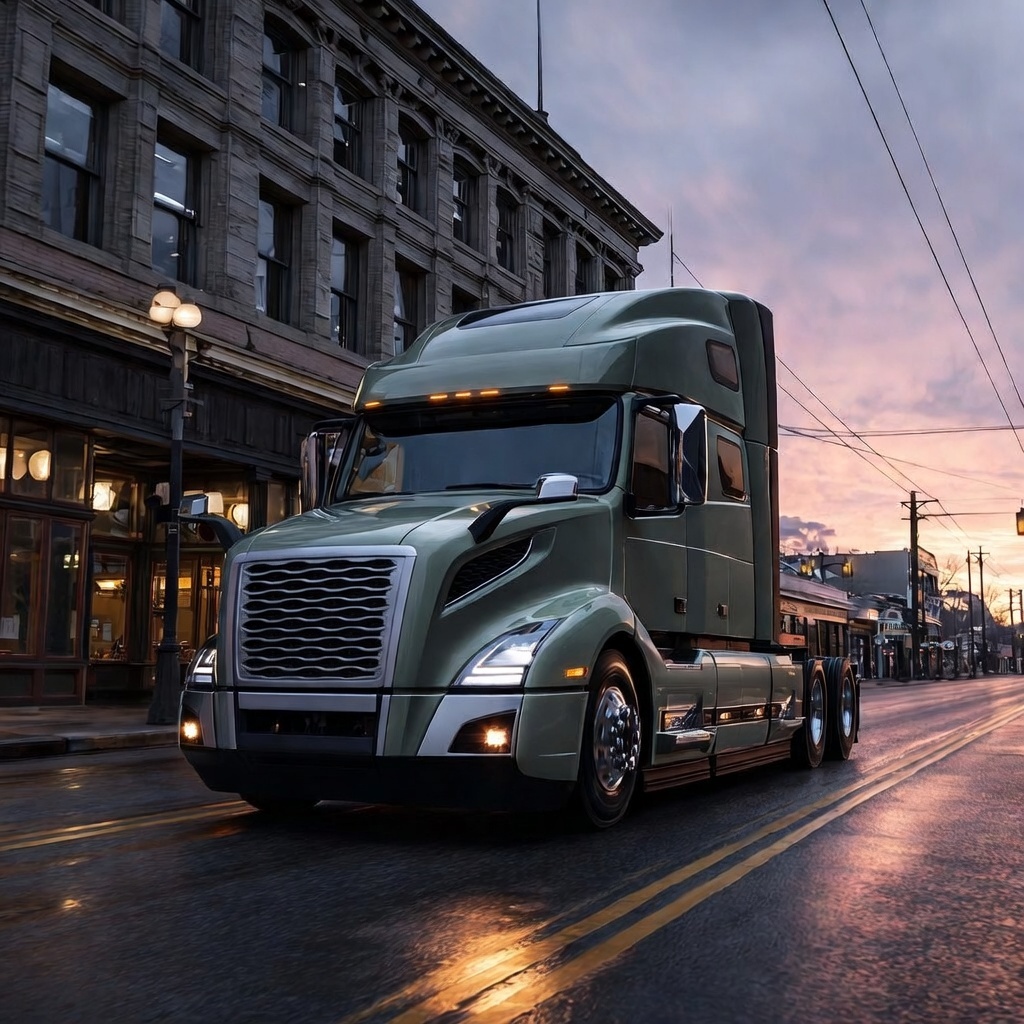
For more than a decade, the centerpiece of Volvo’s engineering has been the D13 engine, a 12.8 liter inline six diesel. Without a doubt, this is the most popular and flexible engine that Volvo offers. It’s widely used in highway trucks, construction vehicles, and even some touring coaches thanks to its fuel efficiency, durability, and strong performance. Just like several modern diesels, the D13 has a Diesel Particulate Filter (DPF), which aids further in the emission reduction procedure.
While beneficial for the environment, the DPF often becomes a source of extra costs and downtime. Because of this, so many Volvo D13 truck owners are opting for a DPF delete in the name of efficiency and better performance.
How the DPF Affects the Volvo D13 Engine
The DPF traps soot and requires regular regeneration — a process where high exhaust temperatures burn off accumulated particles. In real-world conditions, especially with short-haul routes, heavy loads, or extreme weather, regenerations often fail to complete properly. This can lead to:
Filter clogging and increased backpressure in the exhaust system.
Higher fuel consumption.
Reduced engine power.
Risk of sensor and turbocharger failures.
As a result, the company will have a D13 engine that under performs in addition to the incurred downtime and maintenance expenses which will quickly accelerate.
Why a DPF Delete Improves Performance on the Volvo D13
Removing the DPF eliminates the main restriction in the exhaust system. Once the filter is removed and the ECU (Engine Control Unit) is reprogrammed, the D13 engine runs without constant limitations. The benefits include:
More power and torque – the engine breathes easier, which is especially valuable on steep grades or when hauling heavy loads.
Better fuel economy – no wasted fuel during regenerations and improved exhaust flow.
Reduced downtime – no more forced regens or limp mode interruptions.
Lower maintenance costs – no need for expensive DPF replacements or sensor repairs.
Extended engine life – smoother operation reduces strain on the motor and turbocharger.

How the DPF Delete Process Works
DPF Delete on Volvo trucks with the D13 engine has two stages:
Mechanical stage
Removing the DPF from the exhaust system.
Installing a straight pipe section or modified housing.
Software stage
Reprogramming the ECU with specialized software such as Mochester 4 App (M4).
Disabling all DPF-related sensors and functions.
To make sure there aren’t any fault codes or limp issues, the system will be tested.
⚠️ The only people who should conduct this analysis are experienced professionals. Wrong ECU tuning can impact the truck engine negatively as well as the truck's electronics.
Conclusion
A DPF delete on Volvo trucks with the D13 engine can be a highly effective way to increase performance, reduce costs, and avoid downtime. It is necessary for fleet operators and individual drivers to understand that it makes a huge difference in operational efficiency, more so in a difficult operational environment.
That said, legal considerations must not be overlooked. In lots of places, adjusting emissions systems can result in paying a fine. This is why some operators turn to DPF emulators instead — devices that mimic the presence of the filter electronically while allowing the engine to run without the actual unit.
Done correctly and with the right approach, a DPF delete can unlock the true potential of the Volvo D13 engine.
Review
You can leave a review on the contact page.
Related Articles

Volvo D16 Engine DPF Delete
The Volvo D13 engine is popular for use in highway trucks and heavy-duty tasks for its fuel economy and durability. The DPF system, however, is a common source of downtime and high maintenance costs. This article explains the DPF's impact on the Volvo D13 engine, the reasons for the DPF delete phenomenon among truck owners, and how it works. The article also discusses the potential improvements in system performance, fuel economy, and reliability after the DPF system is removed and the ECU is tuned.

Volvo D12 EGR and DPF Delete Guide
For years now, the Volvo D12 engine has proved itself to be a reliable power plant for North American trucks, buses, and construction vehicles. The D12 does, however, have some disadvantages. The EGR and DPF emission systems can lead to carbon buildup, excessive fuel consumption and, in some cases, trigger fault codes. What's worse, the maintenance can be costly. This guide will breakdown the function of the D12’s EGR and DPF systems, the most common problems D12 owners run into, and outline the benefits owners have experienced after removing these systems. This guide will also discuss some of the possibilities and drawbacks of removing these systems, including the need for ECU tuning and professional work, as well as some legal issues.
Maximize The Fuel Efficiency with DPF Delete on Volvo D13 and D16 Engines
How a professional DPF delete improves fuel efficiency, performance, and operating costs on Volvo D13 and D16 engines.