
OB
Oklahomer Berger - USANovember 15, 2025
This fault codes guide saved me hours on an EC240 regen issue. Clear explanations for DPF and SCR codes — exactly what I needed in the field.
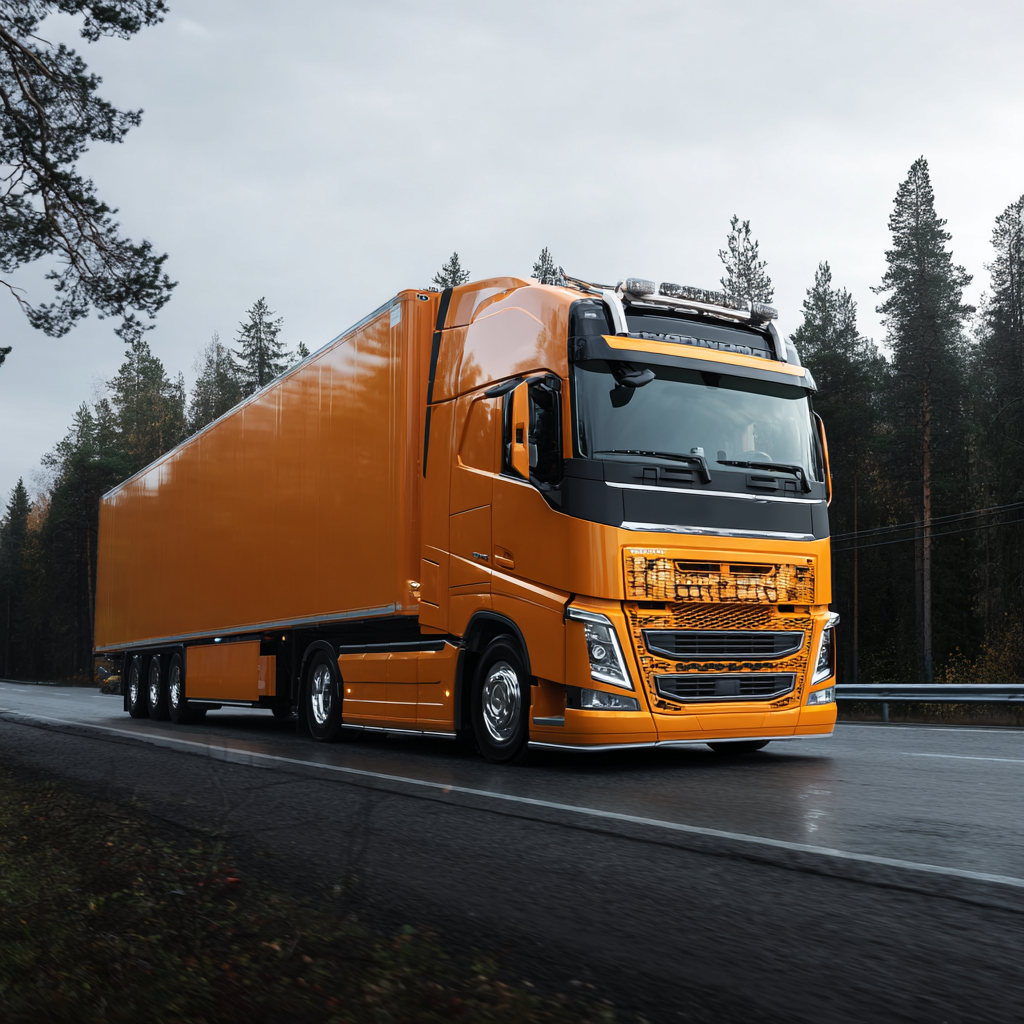
The D13 and D16 engines built by Volvo have been engineered to excel at long-haul trucking and other heavy-duty industry tasks. Those who own and operate trucks know that poorly maintained DPF systems on Volvo trucks can affect fuel efficiency and increase maintenance costs.
That's why many people seeking to improve performance, enhance fuel efficiency, and reduce operational costs have opted for DPF deletes on Volvo trucks, especially those equipped with D13 and D16 engines.
The Diesel Particulate Filter collects soot that is produced during the combustion of fuel and regular wear and tear on the engine. After some time, the DPF gets clogged, which causes the following:
Higher engine load — soot buildup restricts exhaust flow.
Frequent regenerations — the filter burns off soot, requiring extra fuel and sometimes interrupting operations.
Increased fuel consumption — statistics show the DPF can raise diesel usage by 5–12%.
Costly repairs or replacements — a new Volvo DPF can cost several thousand dollars.
For long-haul routes and heavy-duty work, this quickly turns into lost profits.
When done professionally, a DPF delete provides multiple advantages:
Lower fuel consumption — eliminating regenerations can save up to 2–3 liters of diesel per 100 km.
Extended engine and turbo lifespans — diminished thermal and mechanical stress results in longer life spans.
Lower upkeep costs – no more cleaning or replacing a DPF.
Improved performance and throttle response — especially noticeable on climbs and under heavy load.
Volvo D13 (12.8L, 6-cylinder)
More fuel-efficient, ideal for highway trucking.
Shows maximum savings after a DPF delete.
Best choice for long-haul drivers focused on low operating costs.
Volvo D16 (16.1L, 6-cylinder)
Built for extreme loads: construction, heavy haul, and special equipment.
Unlocking full power and torque potential is made possible by DPF delete.
Though it offers lower fuel savings than the D13, its advantage is the improvement in performance.
A DPF delete isn’t just removing the filter — it requires proper ECM (Engine Control Module) tuning to keep your truck running smoothly:
ECM reprogramming — disabling DPF functions and optimizing fuel injection.
Sensor Recalibration - providing that all related functions of system will work properly without triggering faults.
A comprehensive and professional attitude ensures there are no power losses, no errors, and no unscheduled emergency shutdowns.
Although the benefits are evident, there are some risks associated with a DPF delete:
Legal restrictions — in some regions, operating without a DPF is limited to off-road use only.
Tuning Quality — If the engine control module (ECM) is programmed poorly, breakdowns are possible.
Environmental impact — the DPF delete increases soot and NOx emissions.
To avoid risks, select a reputable service with expertise on Volvo services.
Ensure that the software is ‘engine tailored’ for your specific D13 or D16 engine.
Check reviews and reliability of the service provider.
Think about a complete emissions system tune-up—removing the DPF and EGR together or improving the SCR system.
Keep up with routine maintenance — a DPF delete doesn’t replace regular servicing.
The DPF delete on Volvo D13 and D16 engines is one of the most effective ways to improve fuel economy and reduce operating costs. With the cost of diesel fuel increasing, the distance covered on long-haul freight, every gallon saved equals profit.
If you want your Volvo truck to deliver maximum performance and better returns, a professional DPF delete can be the right choice. Just remember: success depends on proper ECM tuning and high-quality equipment.
For fleet owners and independent operators alike, a Volvo D13 or D16 engines DPF delete is a proven investment in efficiency, reliability, and profitability.
You can leave a review on the contact page.
November 15, 2025
This fault codes guide saved me hours on an EC240 regen issue. Clear explanations for DPF and SCR codes — exactly what I needed in the field.
October 22, 2025
Comprehensive list with practical troubleshooting steps. The SAE/MID/PID/FMI breakdown makes it easy to cross-reference with the Mochester App.
September 8, 2025
Solid reference for common Volvo CE errors. Would love even more hydraulic codes, but the engine and emissions sections are spot on.

Volvo D16 Engine DPF Delete
The Volvo D13 engine is popular for use in highway trucks and heavy-duty tasks for its fuel economy and durability. The DPF system, however, is a common source of downtime and high maintenance costs. This article explains the DPF's impact on the Volvo D13 engine, the reasons for the DPF delete phenomenon among truck owners, and how it works. The article also discusses the potential improvements in system performance, fuel economy, and reliability after the DPF system is removed and the ECU is tuned.

Volvo D12 EGR and DPF Delete Guide
For years now, the Volvo D12 engine has proved itself to be a reliable power plant for North American trucks, buses, and construction vehicles. The D12 does, however, have some disadvantages. The EGR and DPF emission systems can lead to carbon buildup, excessive fuel consumption and, in some cases, trigger fault codes. What's worse, the maintenance can be costly. This guide will breakdown the function of the D12’s EGR and DPF systems, the most common problems D12 owners run into, and outline the benefits owners have experienced after removing these systems. This guide will also discuss some of the possibilities and drawbacks of removing these systems, including the need for ECU tuning and professional work, as well as some legal issues.

DPF Delete on Volvo Trucks with the D13 Engine
The Volvo D13 engine is popular for use in highway trucks and heavy-duty tasks for its fuel economy and durability. The DPF system, however, is a common source of downtime and high maintenance costs. This article explains the DPF's impact on the Volvo D13 engine, the reasons for the DPF delete phenomenon among truck owners, and how it works. The article also discusses the potential improvements in system performance, fuel economy, and reliability after the DPF system is removed and the ECU is tuned.